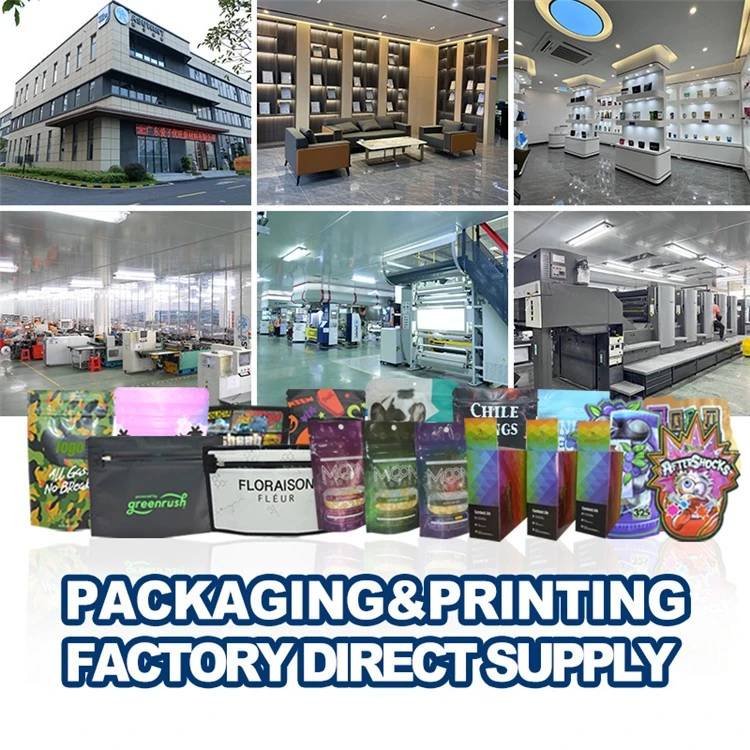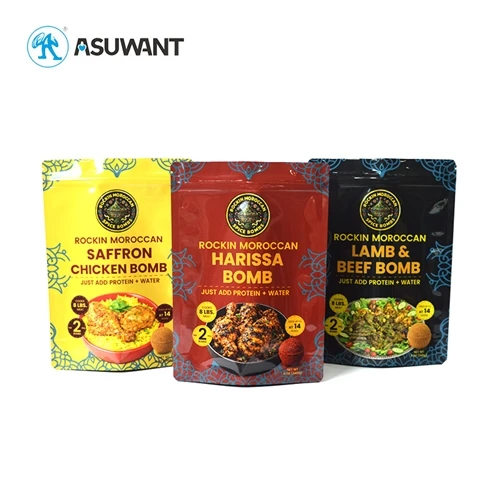
Printing is a vital part of custom plastic packaging bags. Different printing technologies bring different visual effects, durability, compliance performance and cost structure. Pick the right solution for your project.
1. Gravure Printing
The mainstream high-end process for flexible packaging. Ink is stored in engraved recesses on a copper cylinder. A doctor blade removes excess ink on the roller surface, and ink is transferred onto the film under pressure. It is mostly used for reverse printing (back printing). After lamination, the artwork is sandwiched between layers for excellent scratch resistance.
Pros: High color density, smooth gradients, fine dot reproduction, stable mass production. Ideal for food and pet food laminated bags with substrates like BOPP, PET, PA, AL.
Cons: High cylinder making cost and long lead time. Artwork revision is inconvenient. Suitable for large-volume orders.
Applications: Snack bags, pet food bags, stand-up pouches, premium printed laminated bags.
2.Flexographic Printing (Flexo)
Printing with photopolymer relief plates. Anilox rollers supply ink in a controlled volume. Water-based or UV inks are commonly used for better environmental performance.
Pros: Low plate cost, fast setup, food-safe water-based ink options. Works well on PE, HDPE shopping bags and shrink films with simple graphics.
Cons: Less ideal for fine gradients and photos; small texts may blur compared with gravure printing.
Applications: Regular PE bags, courier bags, simple logo bags, shrink labels, medium-run orders.
3. Digital Printing
Plate-free printing directly from digital files, mostly UV digital. Supports variable QR codes, serial numbers and unique coding for each item.
Pros: No plate charge, fast turnaround, easy artwork modification. Perfect for sampling and multiple SKUs.
Cons: Higher unit cost for large runs. Solid heavy color areas may show ink speckles.
Applications: Sampling, small trial orders, custom designs, short-run stand-up pouches.
4. Screen Printing (Silk Screen Printing)
Ink is squeezed through open mesh areas of the screen stencil by a squeegee. One plate for one color, resulting in a thick ink layer.
Pros: Thick ink with strong covering power, good solid spot color effect, simple equipment, suitable for partial overprinting.
Cons: Low speed, poor gradient performance, complicated multi-color registration, mostly surface printing.
Applications: Heavy PE shopping bags, partial logo marking, small-batch simple single-color bags.
Special Finishing & Decorations (complementary processes)
- Hot Stamping / Foil Stamping: Hot transfer of metallic foil for gold or silver metallic finish
- UV Varnish: Partial raised texture, glossy or matte effect, improves wear resistance and tactile feel
- Inkjet Coding: For production date and batch number marking (not full-color printing)
- Cold Foil, Embossing
Pre-printing Essential Treatment
Corona Treatment: Improves the surface tension of plastic films to secure ink adhesion and prevent ink peeling.
Quick Selection Guide
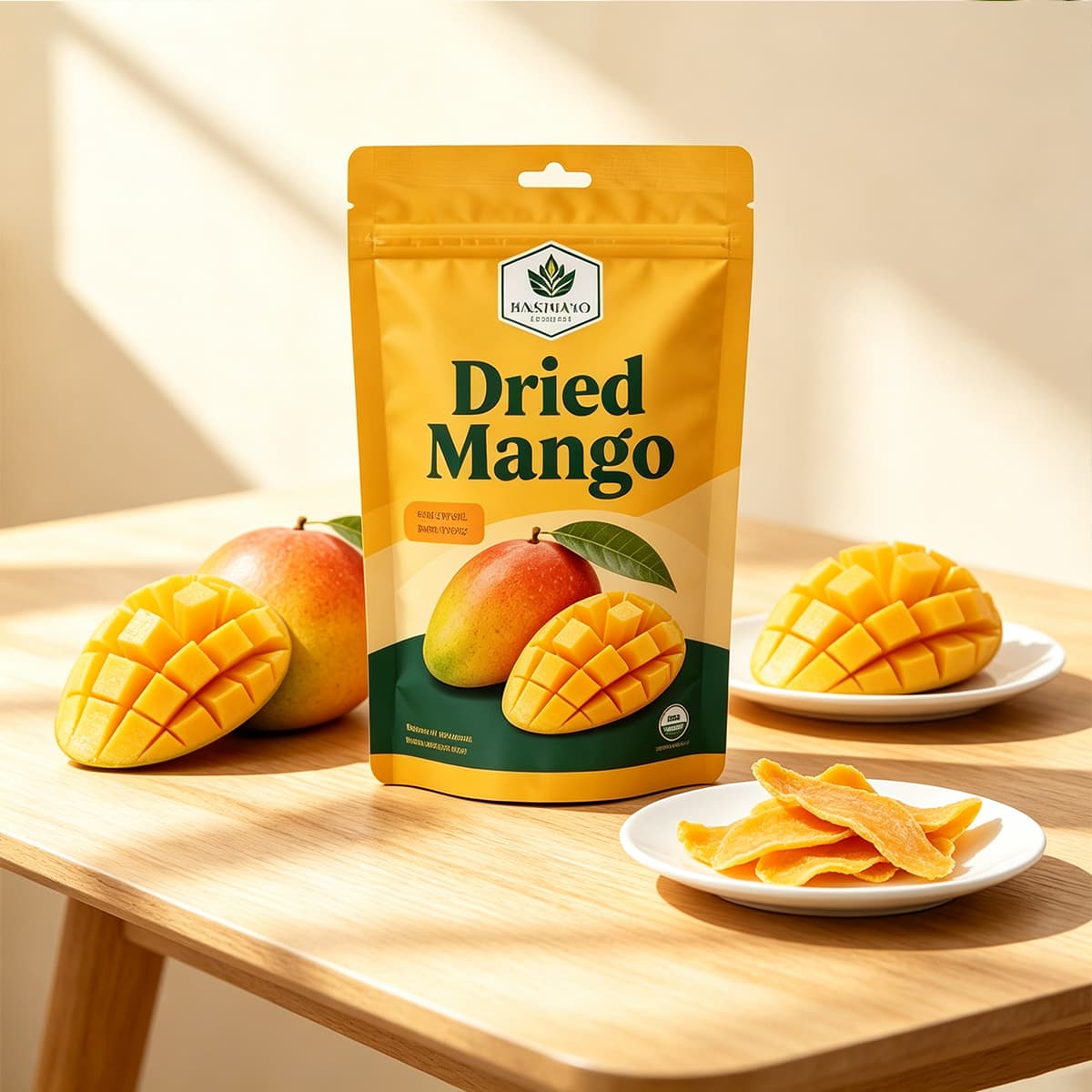
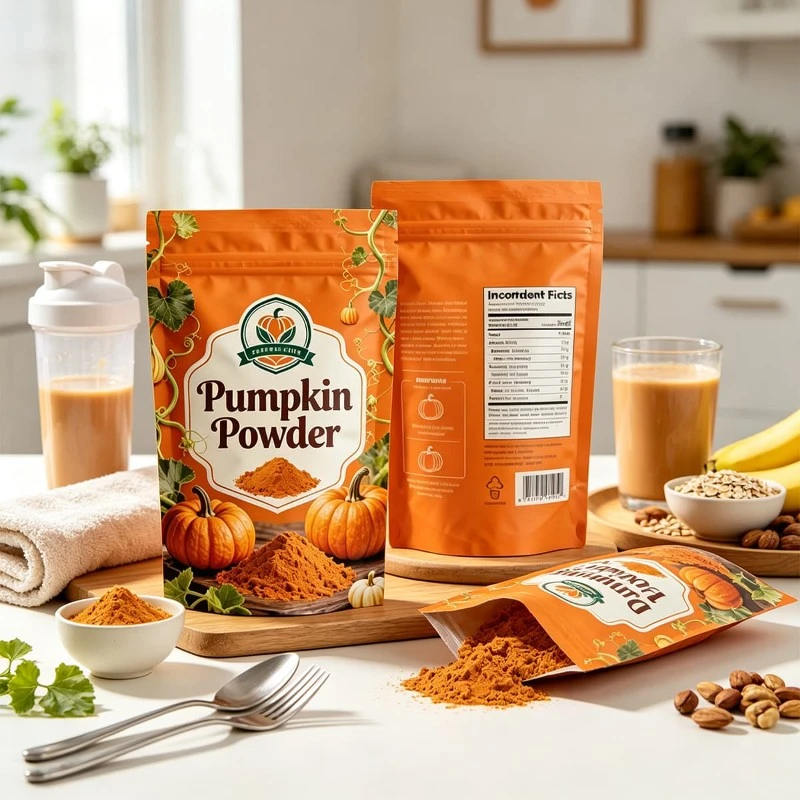
- Large quantity, complex photos, food-grade laminated bags → Gravure Reverse Printing
- Medium quantity, simple graphics, eco-friendly water-based ink → Flexographic Printing
- Hundreds to thousands of pieces, sampling, frequent artwork changes → Digital Printing
- Small-batch shopping bags, simple solid-color logos → Screen Printing
If you are unsure which printing method fits your order, feel free to send us your artwork, order quantity and application requirements. Our team will offer professional suggestions and a competitive quotation for your custom packaging.