
If you've ever grabbed a cold soda from a convenience store shelf or picked up a snack bag with a tight-fitting, printed wrap that shrinks perfectly to the product's shape, you've encountered a shrink sleeve. As a shrink sleeve supplier, I'm often asked what materials go into these versatile packaging solutions, and why the right choice matters for both product protection and shelf appeal. Shrink sleeves aren't one-size-fits-all; each material is tailored to specific needs, from food safety to durability. Let's break down the most common materials we work with, their unique properties, and how they impact the products we help package.
The foundation of any shrink sleeve is a thermoplastic film-one that softens when heated and returns to a tight, rigid shape as it cools. The most widely used material in the shrink sleeve industry today is Polyvinyl Chloride (PVC). For decades, PVC has been the go-to for many applications because of its excellent shrinkage rates, typically between 50% and 70%, which allows it to conform closely to curved, irregular, or oddly shaped products like beverage containers, condiment bottles, and even cosmetics. PVC is also easy to print on, making it ideal for vibrant graphics that catch shoppers' eyes on busy shelves. However, it's not without trade-offs. PVC can be less environmentally friendly than other options, as it's not easily recyclable in many municipal programs, and some regions have begun phasing it out for certain food packaging uses due to concerns about plasticizer leaching. For these reasons, we carefully evaluate PVC for clients, highlighting its benefits while being transparent about its limitations.

Next up is Polyethylene Terephthalate Glycol (PETG), a material that's grown in popularity as consumers and brands prioritize sustainability. PETG is a type of polyester that offers similar shrinkage to PVC but with a lower environmental footprint. It's fully recyclable with common plastic containers (like soda bottles, which are also PET-based), making it a preferred choice for brands looking to reduce their packaging waste. PETG also has excellent clarity, which means product details and graphics pop without the hazy appearance sometimes associated with other materials. Unlike PVC, PETG doesn't require harmful plasticizers, so it's a safe option for food and beverage products that come into direct contact with the sleeve. One advantage we often share with clients is that PETG is more rigid than PVC, which helps the sleeve hold its shape over time, even if the product is stored in varying temperatures. This makes it a great pick for products like jars, aerosol cans, and skincare items that need a durable, long-lasting wrap.
Another material gaining traction in our shrink sleeve offerings is Oriented Polypropylene (OPP). OPP is a lightweight, cost-effective option that's perfect for products where weight savings matter, such as snack foods, cereal boxes, and non-food items like toys or electronics. OPP has a lower shrink rate than PVC or PETG, usually around 30% to 50%, which means it works best for products with relatively simple, uniform shapes rather than complex curves. It's also highly resistant to moisture and chemicals, so it's ideal for products that might be exposed to humidity or cleaning agents. For brands that want a budget-friendly sleeve without sacrificing print quality, OPP is a strong contender. It's worth noting, though, that OPP is less flexible than the other materials, so we make sure to match it only to products where its rigidity is a benefit, not a drawback.
For clients looking for even more sustainable options, we often discuss biodegradable or compostable shrink sleeves, made from materials like polylactic acid (PLA) or plant-based polyolefins. PLA is derived from renewable resources like cornstarch or sugarcane, making it a zero-plastic alternative for brands that want to minimize their environmental impact. These materials shrink at slightly lower rates than traditional plastics, but they're improving rapidly-new formulations now offer shrinkage up to 60%, which is enough for many common packaging applications. Compostable shrink sleeves break down in industrial compost facilities, which is a big plus for brands with strong circular economy goals. That said, we always advise clients on the limitations here: compostable materials don't perform well in cold temperatures, so they're not the best for frozen products or items stored in refrigerated environments. We also make sure to educate customers on the need for proper composting facilities, as home compost may not support full breakdown.
Beyond these primary shrink sleeve materials, we also work with laminated films, which combine two or more materials to get the best of both worlds. For example, a PVC-PET laminate might offer the high shrink rate of PVC and the sustainability of PET, balancing performance and eco-friendliness. Or an OPP-aluminum laminate can add barrier properties that protect products from light, moisture, and oxygen-think of snacks that go stale quickly or specialty foods like coffee, which need to stay fresh. This is where our expertise as a shrink sleeve supplier really shines: we help clients navigate the options to find a laminate that meets their product's specific needs, whether that's extending shelf life with a barrier or keeping costs low for a disposable item.
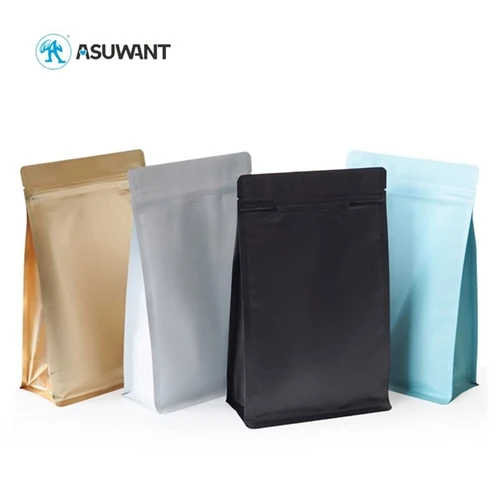
It's also important to note that shrink sleeves aren't just about the material itself-they need to work with the product and the packaging line. For example, if a client is packaging food items that require a hermetic seal, we might recommend a material that's compatible with the product's packaging type. For instance, when we work with clients who also use stand-up pouches (like those available at similar packaging suppliers), we ensure that the shrink sleeve material complements the pouch's properties. For example, a food-grade stand-up pouch with a zipper, like the one at /empty-aluminum-foil-stand-up-bag-with-zipper, is often paired with a shrink sleeve that fits tightly around the top to seal the zipper area, adding an extra layer of protection and a finished look. Similarly, childproof packaging bags for pharmaceuticals or safety-sensitive products pair well with shrink sleeves that lock tightly into place, enhancing the childproof mechanism's effectiveness while adding branding space. We've even worked with clients who package coffee in doypacks with valves, like the ones at /coffee-food-packing-kraft-paper-doypack-zip-lock-flat-bottom-bag-with-valve, and suggested a shrink sleeve that aligns with the valve, avoiding any disruption to the degassing process while creating a seamless, professional appearance.

As a supplier, we also prioritize food safety, which is non-negotiable for many of our clients. All the materials we use meet global food safety standards, including FDA regulations in the U.S. and EU guidelines, ensuring that the sleeve won't leach chemicals into food or beverages. This is critical for products like fresh produce, bottled water, and baby food, where even small amounts of contamination can be a problem. We also offer clear shrink sleeves for products where visibility is key, and matte or textured options for brands that want a premium, high-end look-something that pairs well with custom printed stand-up plastic bags like those at /customized-logo-stand-up-plastic-childproof-zipper-lock-packaging-bag.
Another factor that influences material choice is heat application during the shrink process. Different materials require different temperatures and shrink tunnels to achieve the perfect fit. PVC, for example, shrinks quickly at lower temperatures (around 150°F to 180°F), which makes it ideal for high-speed packaging lines. PETG and OPP require slightly higher temperatures (180°F to 220°F), while compostable materials often need even more controlled heat to avoid warping. As a shrink sleeve supplier, we work closely with clients to test materials in their specific packaging equipment, ensuring that the sleeve shrinks evenly, with no wrinkles or gaps, and fits the product exactly as intended. This testing is a crucial step that many brands overlook, but it's what makes the difference between a sleeve that looks great and one that performs well.
Environmental concerns continue to shape the shrink sleeve industry, and we're always updating our material offerings to meet changing demands. Many of our clients now ask for recyclable or circular materials, and we've invested in PETG and OPP lines that use post-consumer recycled (PCR) content, making the sleeves part of a closed-loop packaging system. We also help clients with take-back programs, ensuring that their shrink sleeves can be collected and recycled alongside other plastic packaging. While PVC is still in use for certain applications, we've seen a steady shift toward more sustainable options, and we're positioned to meet that demand with a range of eco-friendly materials.
In the end, the right shrink sleeve material depends on a combination of factors: the product type, packaging line capabilities, sustainability goals, and budget. Whether you're packaging a beverage, a snack, a cosmetic, or a specialty product, there's a shrink sleeve material that will fit your needs. As a shrink sleeve supplier, we don't just sell materials-we partner with clients to understand their unique challenges and offer solutions that balance performance, cost, and sustainability. If you're looking to upgrade your product's packaging with shrink sleeves and want to learn more about the best materials for your brand, we're here to help. Reach out to our team today to discuss your requirements and explore the right material options for your next project.
References
- Shrink Sleeve Materials: A Guide to Selection and Applications. Packaging Digest.
- Sustainable Packaging: The Rise of Compostable and Recyclable Shrink Films. Journal of Packaging Technology and Science.
- Food Safety Standards for Flexible Packaging Materials. FDA Center for Food Safety and Applied Nutrition.
- Oriented Polypropylene (OPP) Properties and Uses in Flexible Packaging. Plastics Technology.
- PETG vs. PVC: Comparing Shrink Sleeve Materials for Beverage Packaging. Beverage Industry Magazine.