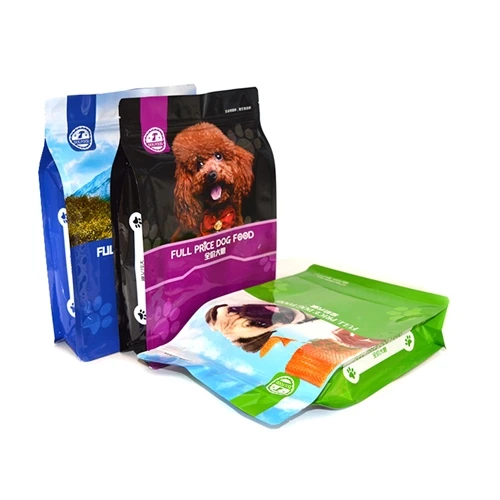

As a dog food bag supplier, I often get asked about the proper way to dispose of these bags. It's an important topic, not only for environmental reasons but also for the health and safety of our furry friends and the general public. In this blog post, I'll share some insights on how to dispose of dog food bags effectively and responsibly.
Understanding the Materials of Dog Food Bags
Before we delve into the disposal methods, it's crucial to understand what dog food bags are made of. Most dog food bags are multi - layered. They typically have an outer layer of paper or plastic for printing and protection, and an inner layer of foil or plastic to keep the food fresh and prevent spoilage. This combination of materials makes them a bit more challenging to recycle compared to single - material items.
Recycling Dog Food Bags
Recycling is the most environmentally friendly way to dispose of dog food bags. However, it's important to note that not all recycling programs accept these bags. Here are the steps you can take to recycle dog food bags:
- Clean the Bag: Make sure to remove all the dog food from the bag. You can shake it out or use a dry cloth to wipe the inside. This helps prevent contamination in the recycling process.
- Check Local Recycling Guidelines: Contact your local recycling center or check their website to see if they accept dog food bags. Some areas have special programs for multi - layered packaging, while others may not.
- Use Specialized Recycling Services: There are companies that specialize in recycling difficult - to - recycle materials, including dog food bags. You can find these services online and send your used bags to them.
If you're looking for high - quality packaging solutions similar to dog food bags, you might be interested in Heat Sealed Smell Resistant Bags For CANA Vape Cigar , Odorless Bags For Electronic Cigarette Packaging. These bags share some of the same features as dog food bags, such as being smell - resistant and multi - layered.
Composting Dog Food Bags
In some cases, if the dog food bag is made of biodegradable materials, composting can be an option. Biodegradable dog food bags are usually made from plant - based materials like cornstarch or other natural fibers. Here's how you can compost them:
- Verify Biodegradability: Check the label on the dog food bag to see if it's marked as biodegradable. If it is, you can proceed with composting.
- Prepare the Compost Bin: Make sure your compost bin has the right balance of green (nitrogen - rich) and brown (carbon - rich) materials. Cut the biodegradable dog food bag into small pieces and add it to the compost bin.
- Monitor the Composting Process: Turn the compost regularly to ensure proper decomposition. It may take several months for the bag to fully break down.
Landfill Disposal
If recycling or composting is not an option, landfill disposal is the last resort. However, this should be done with caution. Dog food bags can take a long time to decompose in landfills, and they may release harmful chemicals as they break down. To minimize the environmental impact, try to reduce the amount of dog food bags going to landfills. You can do this by buying dog food in bulk or choosing products with more sustainable packaging.
For other packaging needs, you might consider Reusable Smell Proof Stand Up Zipper Bags For Snack Slim Chews Packaging. These reusable bags can help reduce waste and are a great alternative to single - use packaging.
Repurposing Dog Food Bags
Another creative way to dispose of dog food bags is to repurpose them. Here are some ideas:
- Storage Bags: You can use the dog food bag to store other pet supplies like treats, toys, or even small items around the house.Lining for
- Trash Cans: Cut the dog food bag to fit a small trash can and use it as a liner. This can help keep your trash can clean and reduce the need for plastic trash bags.
- Craft Projects: Get creative and use the dog food bag in craft projects. You can make collages, wall art, or even small bags for kids.
The Role of Dog Food Bag Suppliers
As a dog food bag supplier, I have a responsibility to promote sustainable packaging solutions. We are constantly researching and developing new materials that are more recyclable, biodegradable, and environmentally friendly. For example, we are exploring the use of plant - based plastics and other innovative materials to reduce the environmental impact of our products.


We also provide information to our customers about the proper disposal of our dog food bags. We include recycling instructions on the packaging and encourage our customers to choose the most sustainable disposal method.
If you're in the market for high - quality dog food bags or other packaging solutions, you might be interested in Resealable Pouch Packaging For Sea Salt Peanuts , Silver Ziplock Foil Bag Pouches 4.5 Oz. These pouches offer similar features to our dog food bags, such as being resealable and protective.
Conclusion
Disposing of dog food bags is a complex issue that requires a combination of recycling, composting, repurposing, and responsible landfill disposal. As a dog food bag supplier, I am committed to providing sustainable packaging solutions and educating my customers about the proper disposal methods.
If you have any questions about our dog food bags or need more information on sustainable packaging, please feel free to contact us. We are always happy to help you make the best choice for your business and the environment.
References
- Environmental Protection Agency (EPA). (2023). Recycling Basics.
- National Recycling Coalition. (2023). Recycling Guidelines for Different Materials.
- Composting Council. (2023). Composting Best Practices.